Understanding Gaming Desk Displays: Features and Benefits
As gaming continues to evolve into a multi-dimensional experience, investing in a high-quality gaming desk display becomes essential for enthusiasts and casual players alike. A gaming desk display serves not only as a visual interface, but also enhances user engagement through features that improve performance and comfort. In this comprehensive guide, we delve into the intricacies of gaming desk displays, exploring their functionalities, how they augment the gaming experience, and what to consider when selecting the perfect monitor for your setup.
What is a Gaming Desk Display?
A gaming desk display is specifically designed to optimize visual performance during gaming sessions. Unlike standard monitors, these displays often feature higher refresh rates, adaptive sync technologies, and enhanced color accuracy, all aimed at delivering a seamless gaming experience. The idea is to ensure that gamers can fully immerse themselves in their environments without distraction, lag, or visual fatigue.
Essential Features of a Gaming Desk Display
When evaluating a gaming desk display, several key features should be prioritized:
- Refresh Rate: A higher refresh rate (144Hz or above) results in smoother visuals and improved responsiveness.
- Response Time: Lower response times (5ms or less) reduce motion blur, which is paramount during fast-paced gaming scenarios.
- Adaptive Sync: Technologies like G-Sync and FreeSync synchronize the display's refresh rate with the graphics card to minimize screen tearing and stuttering.
- Resolution: Higher resolutions (1440p or 4K) offer crisper visuals and better detail, enhancing overall immersion.
- Panel Technology: IPS panels provide superior color reproduction and viewing angles compared to TN panels.
How a Gaming Desk Display Enhances Your Experience
The right gaming desk display can significantly impact your gaming performance and enjoyment. Features such as a high refresh rate provide the responsiveness needed for competitive gaming, while high resolution and vibrant color accuracy enhance the overall aesthetic of gameplay. Moreover, ergonomic designs that include adjustable stands and blue light filters help mitigate the physical strain associated with long gaming sessions, allowing for extended enjoyment without discomfort.
Choosing the Right Gaming Desk Display for Your Needs
Selecting the perfect gaming desk display requires a deep understanding of your gaming habits and personal preferences. Consideration of factors such as the type of games you play, your typical duration of gaming sessions, and your workstation setup will inform your decision.
Factors to Consider When Selecting a Gaming Desk Display
When selecting a gaming desk display, keep these factors in mind:
- Space Availability: Measure your desk space to ensure the monitor fits well and complements your gaming setup.
- Your Gaming Style: First-person shooters may necessitate a different display than simulation games.
- Budget: Quality displays range widely in price, but investing in features that matter most to your gaming experience is crucial.
Top Brands of Gaming Desk Displays in 2026
As of 2026, several brands are leading the market with their innovative gaming desk displays:
- ASUS: Known for their ROG series, ASUS offers high-performance displays equipped with advanced gaming technologies.
- Samsung: Samung's Odyssey line features immersive curved displays that enhance gaming aesthetics and experience.
- LG: With OLED technology, LG monitors deliver extraordinary color and contrast, making them ideal for diverse gaming styles.
- Dell: The Alienware series is focused on providing high refresh rates and sleek designs tailored for gamers.
Comparing Monitors: Size, Resolution, and Refresh Rate
Finding the right combination of size, resolution, and refresh rate is crucial. For instance, larger screens (27-32 inches) provide an immersive view but require the right distance from the viewer. Meanwhile, higher resolutions, such as 4K, offer crystal-clear graphics but may come with a higher price tag. Refresh rate determines how fluid the motion appears, making it vital for high-paced gaming.
Setting Up Your Gaming Desk Display: Best Practices
Once you have selected the appropriate gaming desk display, setting it up effectively can further optimize your gaming experience. Proper placement and arrangement create a comfortable environment that enhances gameplay.
Optimal Desk Layout for Gaming Efficiency
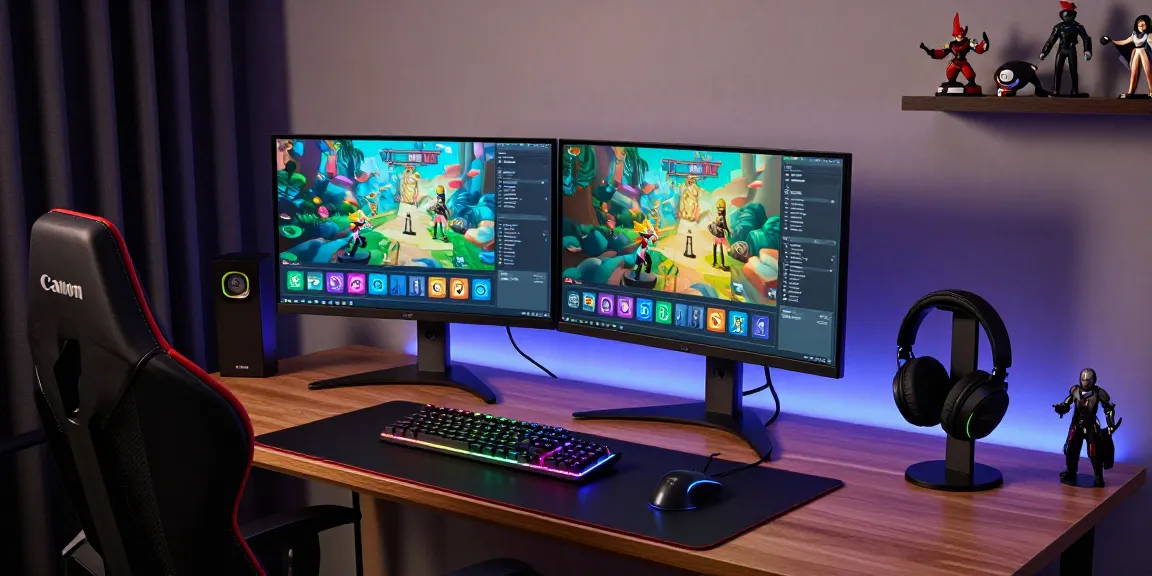
Position your display at eye level to reduce neck strain and ensure that the screen is at least an arm's length away. A neat desk layout promotes better focus and minimizes distractions during gameplay.
Lighting and Ergonomics in Your Gaming Space
Consider ambient lighting to prevent glare on your screen while gaming. Using soft, adjustable lighting can create a more immersive atmosphere. Additionally, ergonomic furniture, such as adjustable chairs and desks, supports long gaming sessions comfortably.
Connecting Your Gaming Desk Display to Other Equipment
To maximize your equipment's potential, connect your gaming desk display using high-quality cables capable of supporting the monitor's features, such as display port cables for higher resolutions and refresh rates. Ensure the monitor is configured correctly in your operating system settings for optimal performance.
Common Challenges and Solutions with Gaming Desk Displays
While gaming desk displays enhance the experience, they can also present challenges. Understanding these issues and knowing how to solve them is crucial for maintaining performance.
Addressing Display Issues: Flickering and Lag
Flickering can often be resolved by adjusting refresh rates or changing the connection type. Lag issues may stem from outdated drivers or misconfigured settings within your gaming device.
Adjusting Settings for Optimal Performance
Consider utilizing the monitor's own settings features, such as game modes, to enhance color contrast and responsiveness based on the type of gaming you are doing. Stay updated with manufacturer software to access performance fixes and enhancements.
Managing Space and Cable Management Solutions
To maintain a clean workspace, invest in cable management solutions such as clips, sleeves, or under-desk cable trays that can help organize and hide wires effectively.
The Future of Gaming Desk Displays: Trends and Innovations in 2026
Gaming desk displays are on the cusp of several technological advancements that promise to reshape the gaming landscape. Keeping an eye on these emerging trends can help gamers stay ahead of the curve.
Emerging Technologies in Gaming Displays
From OLED displays with superior contrast ratios to mini-LED technologies that enhance brightness and color accuracy, future gaming displays will likely offer even more lifelike visuals.
Predicted Trends for Gaming Desk Displays in the Next Five Years
Expect to see advancements in virtual reality integration, greater emphasis on curved and ultra-wide displays, and further developments in adaptive refresh rate technologies, contributing to more immersive gaming experiences.
How to Stay Updated on Gaming Display Innovations
Follow gaming blogs, tech news sites, and forums to stay informed about the latest trends and technological breakthroughs in gaming desk displays. Engaging with the gaming community can provide insights into practical applications of new technologies.
What are the Most Effective Ways to Optimize Your Gaming Setup?
To optimize your gaming setup, focus on balancing performance and aesthetics. This includes ensuring adequate cooling, using optimal cable connections, and maintaining a clutter-free environment for enhanced focus during gameplay.
How Can You Personalize Your Gaming Desk Display?
Customization options are vast; from using unique wallpapers and themes to adding personalized lighting effects that sync with in-game action, gamers have numerous ways to make their displays reflect their passions.
What Should You Know About Gaming Desk Display Maintenance?
Regular maintenance includes cleaning your screen with proper materials to avoid scratches, updating drivers and firmware, and periodically checking cable connections for wear and tear to ensure longevity and performance.
How Do You Measure Performance of Gaming Desk Displays?
Performance can be gauged through benchmarks that assess refresh rates, response times, and color accuracy. Tools such as display calibration software can aid in ensuring your monitor is performing optimally.