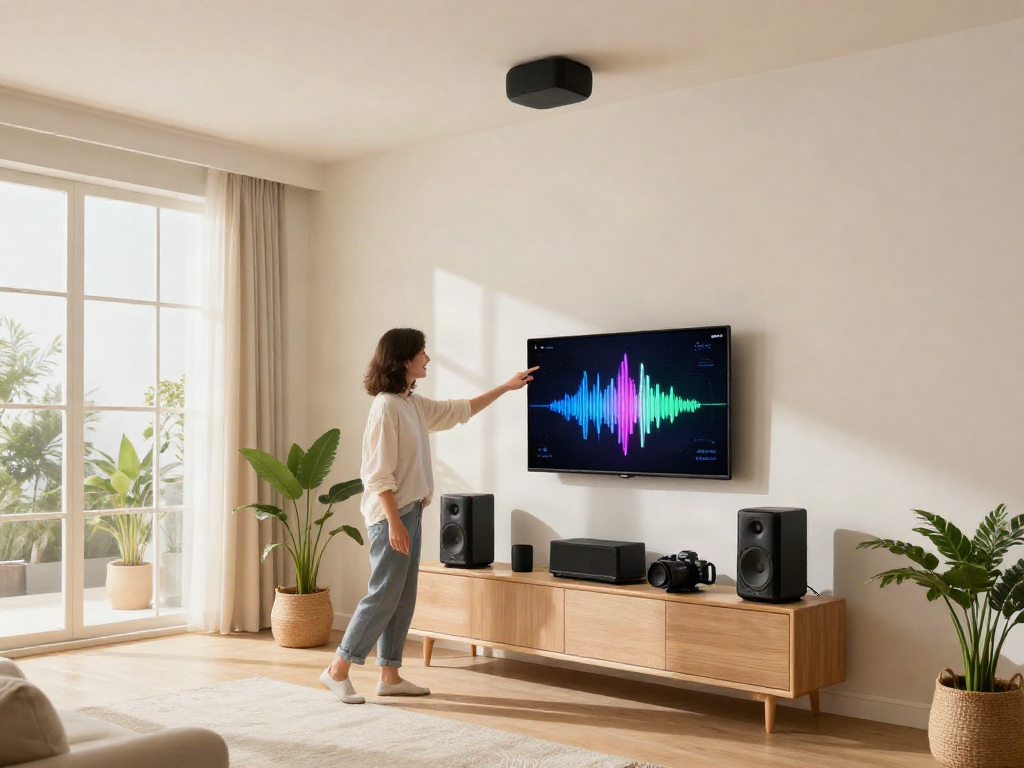
Understanding the Basics of اسپیکر سقفی
As the home audio landscape continues to evolve, ceiling speakers, or اسپیکر سقفی, are gaining popularity among homeowners and audio enthusiasts. These innovative audio devices seamlessly blend into your living space, providing an immersive auditory experience without the clutter of traditional speakers. By learning more about ceiling speakers, you'll discover how they can enhance your home entertainment setup.
What are Ceiling Speakers and How Do They Work?
Ceiling speakers are designed to be installed flush with the ceiling, providing a discreet audio solution that delivers high-quality sound. Unlike traditional speakers that occupy floor or shelf space, ceiling speakers operate by mounting directly into the ceiling, making them an excellent choice for modern living environments. They work by converting electrical signals into sound through a driver that vibrates to create audio waves. Most models utilize a coaxial design, integrating both a woofer and tweeter for a balanced sound output.
Benefits of Using اسپیکر سقفی in Your Home
One of the primary advantages of using اسپیکر سقفی is their unobtrusive installation. This allows for greater flexibility in room design and furniture arrangement. Additionally, ceiling speakers can be positioned strategically to create an immersive sound environment, ideal for home theaters or multi-room audio systems. They also tend to provide better sound dispersion as sound travels downwards and across a broader area compared to traditional speakers, which are typically limited in their reach.
Common Misconceptions About Ceiling Speakers
Despite their benefits, several misconceptions surround ceiling speakers. A common belief is that they do not provide the same sound quality as traditional speakers. However, advancements in technology have significantly improved the performance of ceiling speakers, making it possible to achieve rich, detailed audio even from these discreet units. Another misconception is that installation is overly complicated; many models are designed for easy DIY installation, although professional help can ensure optimal results.
Built-in vs. Traditional Speakers: Key Differences
Installation Process: What to Expect
Installing اسپیکر سقفی requires careful planning and execution. The process typically involves cutting holes in the ceiling, running wires, and securely mounting the speakers. While many homeowners choose to undertake the installation themselves, hiring a professional can mitigate risks and ensure that the sound is optimized for the room's acoustics. It's essential to consider the layout of the space and any existing structures that could interfere with the installation.
Sound Quality Comparisons: Which is Better?
When comparing sound quality between built-in and traditional speakers, it’s crucial to consider various factors, including the type of audio source, room acoustics, and speaker specifications. Built-in speakers can deliver surprisingly high-quality sound, especially models designed specifically for ceiling integration. However, they may not match the audio fidelity of high-end freestanding speakers in larger spaces. Conversely, traditional speakers often excel in high-volume situations.
Design and Aesthetic Considerations for Your Space
From a design perspective, اسپیکر سقفی offer a clean aesthetic that doesn’t disrupt the visual flow of a room. Many designs feature paintable grilles that allow them to blend seamlessly with your ceiling, making them virtually invisible. This capability is particularly appealing for homeowners looking to maintain a minimalist or modern decor.
Choosing the Right اسپیکر سقفی for Your Needs
Factors to Consider Before Making a Purchase
When selecting the ideal ceiling speaker, consider factors such as size, power handling, frequency response, and sensitivity. It's also essential to think about the room's size and shape, as this will influence how many speakers you'll need and where they should be placed. Additionally, compatibility with your existing audio system is crucial for achieving the best performance.
Popular Brands and Models in 2026
The market for ceiling speakers is filled with well-known brands and innovative models. Some of the top brands currently include Sonos, Yamaha, and JBL, offering a range of products that cater to different audio preferences and budgets. By 2026, it’s expected that there will be even more advancements in speaker technology, providing homeowners with greater options for performance and aesthetics.
Where to Buy Quality Ceiling Speakers
Quality ceiling speakers can be purchased through various channels, including electronics retailers, specialized audio shops, and online marketplaces. When exploring options, اسپیکر سقفی provides comprehensive insights into the best choices available in 2026, helping you make an informed decision.
Installation Tips for Optimal Performance
DIY Installation vs. Professional Setup: Pros and Cons
Deciding between DIY installation and hiring a professional can be challenging. DIY installation is often seen as cost-effective and personally rewarding. However, it requires a degree of technical skill and knowledge of sound installation best practices. On the other hand, professional installation can guarantee that the speakers are set up correctly and tuned for optimal performance, albeit at a higher initial cost.
Common Installation Mistakes to Avoid
Several common mistakes can occur during the installation of اسپیکر سقفی. These include incorrect wiring, improper placement, and neglecting to consider the acoustics of the room. To avoid these issues, it’s essential to follow the manufacturer’s guidelines and seek advice if you’re unsure about any aspect of the installation process.
Maintenance Tips for Long-lasting Performance
To ensure your ceiling speakers continue to deliver excellent sound quality, regular maintenance is necessary. This includes checking for loose connections, cleaning the grille, and inspecting for signs of wear and tear. By taking these simple steps, you can extend the lifespan of your speakers and maintain their performance over time.
Future Trends in Home Audio Systems
Innovations in Ceiling Speaker Technology
The future of ceiling speaker technology is exciting, with improvements in sound quality, design, and integration. Innovations such as increased wireless capabilities, enhanced sound dispersion technologies, and better connectivity options are expected to emerge in the coming years, making ceiling speakers an even more attractive choice for home audio systems.
Integration with Smart Home Systems
The integration of ceiling speakers with smart home systems is rapidly transforming how users interact with their audio devices. Voice-controlled systems allow for seamless operation, making it easy to manage your home’s soundscape through convenient apps or smart assistants, enhancing the overall audio experience.
Predictions for Home Audio in 2030
By 2030, we can expect home audio systems to become even more immersive and user-friendly. With advancements in artificial intelligence and machine learning, audio systems will likely adapt to user preferences, providing personalized audio experiences. Ceiling speakers will play a significant role in this evolution, balancing performance with aesthetic appeal.
What Should Be Considered When Upgrading?
When upgrading your audio system, consider factors such as compatibility with existing devices, audio preferences, and the intended use of the speakers. Evaluate whether ceiling speakers fit your home’s acoustic requirements and design aesthetic. Lastly, factor in future-proofing considerations to ensure your investment lasts through the rapid technological advances within the audio industry.