The Therapeutic Benefits of Coloring for Stress Relief
In today's fast-paced world, finding effective methods to manage stress is more crucial than ever. While many have turned to traditional therapy and medication, a surprisingly simple and enjoyable activity has emerged as a powerful tool for mental well-being: coloring. This creative pastime isn't just for children; it has shown remarkable promise in aiding adults as well. Engaging in coloring can provide an opportunity to unwind, express creativity, and foster a sense of tranquility. When exploring options, coloring for stress relief offers comprehensive insights into the practice's benefits and applications. By understanding how coloring impacts our mental state and learning how to incorporate it into our daily lives, we can enhance our overall well-being.
Understanding Stress and Its Impact on Health
Stress is a natural response to challenges and demands, but when it becomes chronic, it can have detrimental effects on both physical and mental health. Prolonged stress can lead to conditions such as anxiety, depression, heart disease, and a weakened immune system. Understanding the signs of stress and its harmful consequences can motivate individuals to seek healthy coping strategies. Many people are unaware that activities like coloring can serve as a viable solution for stress management, offering an enjoyable way to bring calm into a chaotic life.
How Coloring Promotes Relaxation and Mindfulness
Coloring engages both the body and mind in a way that's meditative. This activity requires focus and allows participants to immerse themselves fully in the present moment, promoting mindfulness. By concentrating on the colors and designs, individuals can shift their attention away from stressors and worries. This form of creative expression is similar to practices such as yoga or meditation, where the goal is to tap into a state of relaxation and heightened awareness. Additionally, the repetitive motions involved in coloring can have a soothing effect, helping to lower heart rates and encourage a sense of peace.
Scientific Studies Supporting Coloring as Therapy
Research studies have begun to highlight the benefits of coloring for mental health. A 2016 study published in the journal "Art Therapy" indicated that participants who engaged in coloring experienced a significant decrease in anxiety levels. Another study in 2019 found that even brief periods of coloring could lead to reduced stress and enhanced mood among adults. These findings affirm what many have intuitively understood: that engaging in artistic activities can be an effective form of therapy, enhancing emotional well-being and providing tools to combat stress.
Choosing the Right Coloring Tools and Materials
Essential Coloring Supplies: Pencils, Markers, and Paper
The right tools can enhance the coloring experience and contribute to the overall therapeutic effect. Quality coloring supplies, such as colored pencils, markers, and a variety of paper types, can significantly impact the enjoyment and outcome of one’s artwork. Colored pencils offer a control that allows for intricate designs and shading, while markers can produce vibrant colors with ease. It's essential to experiment with different materials to discover which ones resonate best with personal preferences and create a more immersive coloring experience.
Exploring Different Coloring Techniques for Stress Relief
Coloring isn’t just about filling in images; various techniques can elevate the experience. Techniques such as blending, shading, and using patterns can not only enhance the visual appeal of a piece but also provide a more enriching experience. Experimenting with zentangle or mandala designs allows individuals to focus on both color choices and patterns, fostering a deeper connection to the creative process. This exploration can be particularly beneficial for those who seek to engage both the logical and creative sides of their brains as a form of stress relief.
Popular Coloring Book Themes and Their Benefits
Coloring books come in a wide range of themes, each offering unique benefits. Nature-themed books can evoke feelings of tranquility and connection to the earth, while abstract designs may encourage creativity and self-expression. Books specifically designed for adults often include intricate patterns and mandalas that challenge the mind while providing a satisfying way to engage in creativity. Understanding how different themes affect mood and stress levels can help individuals choose the right books that align with their current emotional needs.
Creating a Calming Coloring Environment
Designing Your Space for Maximum Relaxation
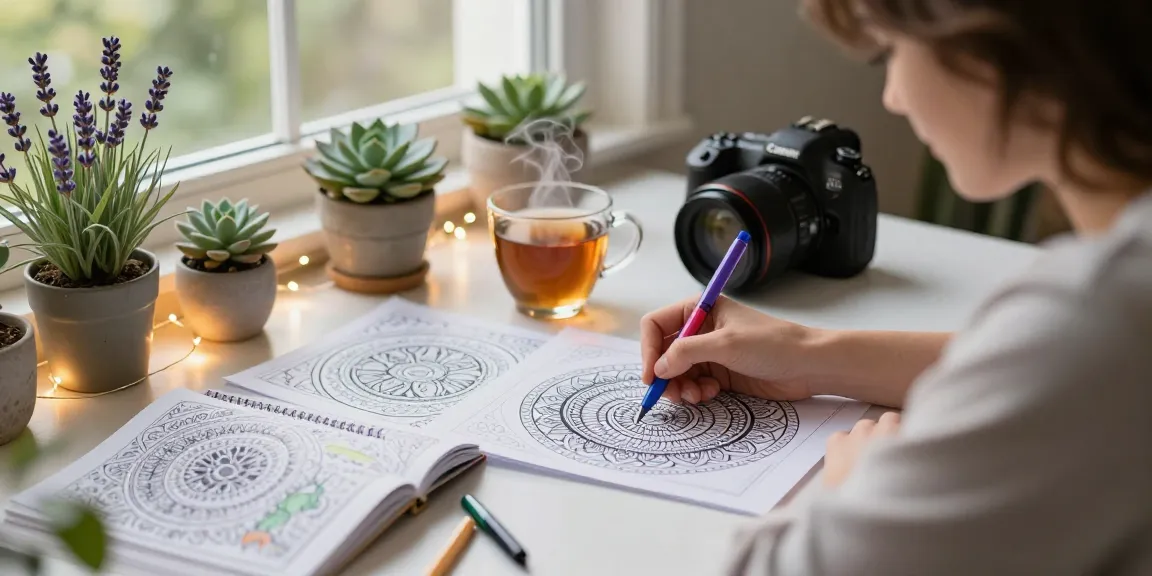
The environment in which one colors can significantly influence the experience. Creating a dedicated coloring space that is comfortable, well-lit, and free from distractions can enhance focus and relaxation. Incorporating elements like natural light, comfortable seating, and personal decorations can help in creating an inviting atmosphere. Furthermore, adding a cozy blanket or a favorite cushion can make the coloring experience even more enjoyable, allowing individuals to fully immerse themselves in the activity.
Incorporating Elements of Nature in Your Coloring Space
Integrating natural elements into your coloring space can enhance your relaxation. Plants not only purify the air but also provide a sense of connection to the outdoors. Incorporating natural light through windows, or even using soft lighting, can mimic the calming effects of nature. Consider adding elements such as natural wood surfaces or stone textures that can ground the space and promote peace, allowing for a deeper concentration while coloring.
Using Music and Aromatherapy to Enhance the Experience
Incorporating gentle background music or aromatherapy into your coloring sessions can further enhance relaxation. Soft instrumental music can create a serene atmosphere, helping to quiet the mind and focus on the creative process. Similarly, using essential oils like lavender or chamomile can stimulate a calming effect on both the body and mind. By leveraging these sensory experiences, individuals can maximize the stress-relieving benefits of coloring.
Incorporating Coloring into Your Daily Routine
Tips for Making Time for Coloring Amid a Busy Schedule
Incorporating coloring into a busy lifestyle may seem challenging, but with some planning, it can become a delightful part of your routine. Start small by allocating just 10-15 minutes a day for coloring. This could be during your lunch break, before bed, or while relaxing on a weekend. Making this a regular part of your daily routine can create a healthy habit and provide a necessary escape from the hustle and bustle of daily life.
Setting Goals and Tracking Progress in Your Coloring Journey
To make the most out of your coloring experience, consider setting personal goals. Whether it's completing a specific number of pages each month or experimenting with different techniques, having objectives can enhance motivation. Keeping a coloring journal can also allow you to track your progress and reflect on how each session impacts your mood and stress levels. This approach not only fosters accountability but also provides insight into personal growth through the medium of art.
Combining Coloring with Other Stress Relief Activities
Coloring can be a wonderful complement to other stress relief practices. Activities such as meditation, yoga, or even journaling can enhance the overall experience. For instance, spending some time meditating before coloring can help to clear the mind and increase focus. Alternatively, listening to calming music during coloring can create a multi-sensory experience that reinforces relaxation. These combinations can help deepen the therapeutic effects of coloring, making it a more powerful tool for managing stress.
Future Trends in Coloring for Mental Health
The Rise of Digital Coloring Applications
As technology evolves, so does the way we engage with coloring. Digital coloring applications are rapidly gaining popularity, offering users the flexibility to color anytime and anywhere. These apps often feature innovative tools that let users create at the tap of a button, allowing for new techniques and experiences that traditional coloring may not provide. This shift is not only making coloring more accessible but also catering to a generation that values convenience and versatility in creative expression.
Innovations in Coloring Therapy Techniques
As the mental health landscape continues to evolve, coloring therapy techniques are innovating as well. Therapists are beginning to blend coloring with cognitive-behavioral strategies, using it as a tool to process emotions or cope with anxiety. Furthermore, community workshops are emerging where people gather to color in a supportive environment, facilitating social connections and emotional support. These developments showcase how coloring can serve not only as a personal practice but also as a means of fostering community and connection.
Anticipated Developments in Stress Relief Practices for 2026
Looking ahead to 2026, we can expect to see a continued integration of coloring and mental health practices. As awareness grows about the benefits of art therapy, more programs will likely incorporate coloring as a fundamental component of wellness strategies. Additionally, theoretical frameworks around "art as therapy" will advance, exploring how coloring specifically can facilitate personal expression and emotional processing. The innovative applications of coloring will enhance its role as a key player in the toolkit for managing stress and promoting mental health.
What is the significance of coloring for stress relief?
Coloring provides a creative outlet that fosters relaxation and mindfulness, allowing individuals to escape the pressures of daily life. This activity can have profound psychological benefits, helping to lower anxiety and improve overall emotional well-being.
How can I get started with coloring for stress relief?
To get started, simply choose a coloring book and a set of coloring supplies. Begin with simple designs and gradually explore more intricate patterns as you become more comfortable with the process. Set aside dedicated time to color and allow yourself the freedom to express without judgment.
Are there specific coloring books or themes recommended for anxiety?
Coloring books that feature mandalas, nature scenes, or abstract designs are particularly beneficial for anxiety. These themes promote a sense of calm and allow for creative freedom, making them ideal choices for individuals seeking stress relief.
Can adults benefit from coloring as much as children?
Absolutely! Adults can experience significant mental health benefits from coloring, including reduced stress, increased focus, and a boost in creativity. The act of coloring can serve as a therapeutic practice that transcends age boundaries.
What other activities pair well with coloring for stress relief?
Pairing coloring with activities like yoga, meditation, or even light exercise can enhance the stress-relieving effects. These activities collectively promote mindfulness and encourage a holistic approach to mental well-being.