 Computers Electronics and Technology
How to Dominate Smart Living with What are IoT…
Understanding IoT Devices: The Basics
In the age of digital transformation, understanding What are IoT devices has become crucial for individuals and businesses alike. The Internet of Things (IoT) represents a network of interconnected devices that communicate and exchange data through the internet. These devices are designed to collect and transmit data, automating processes and enhancing the functionality of everyday objects. As IoT technology advances, it paves the way for new possibilities in various sectors, such as healthcare, transportation, and, most prominently, smart homes.
What Are IoT Devices and How Do They Work?
IoT devices are physical objects embedded with sensors, software, and other technologies designed to connect and exchange data with other devices and systems over the internet. These devices span a wide range of applications, including smart thermostats, security cameras, wearables, and more. They work by gathering data through sensors, which is then sent to a cloud-based platform for processing and analysis. The insights generated from this data can be used to trigger actions or notifications, enhancing operational efficiency and user experience.
Types of IoT Devices in Smart Homes
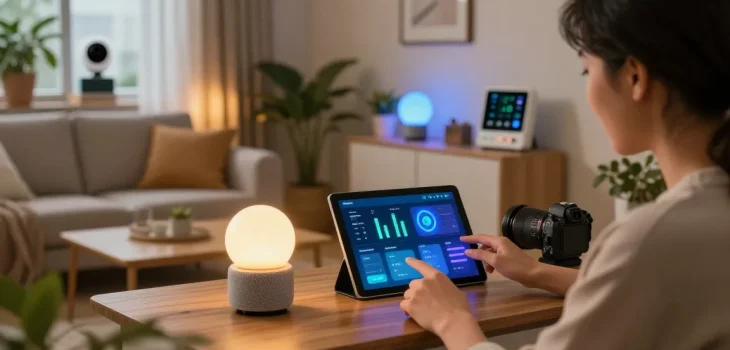
In the realm of smart homes, several categories of IoT devices have emerged, dramatically transforming domestic living. Common types include:
- Smart Thermostats: Devices like Nest learn your heating and cooling preferences, optimizing energy usage and enhancing comfort.
- Smart Security Systems: Cameras and sensors that monitor your home and notify you of potential intrusions.
- Smart Appliances: Refrigerators, ovens, and washing machines that can be controlled remotely and programmed for optimal efficiency.
- Smart Lighting: LEDs that can be adjusted for brightness and color based on user preferences, often accessible through smartphone apps.
Common Myths About IoT Devices Explained
Despite the growing popularity of IoT devices, several myths persist that can mislead potential users:
- Myth 1: IoT devices are only for tech enthusiasts. In reality, they offer user-friendly features designed for accessibility.
- Myth 2: They are overly expensive. Many affordable options are available, providing significant value.
- Myth 3: IoT devices are not secure. While security is a concern, manufacturers are continuously improving protocols to protect user data.
Benefits of Integrating IoT Devices
The integration of IoT devices into daily life brings numerous benefits, making them an attractive investment for modern households.
Enhancing Home Security with IoT Technology
IoT devices drastically improve home security through smart surveillance cameras and motion detectors that can be monitored remotely. Users can receive real-time alerts and even access live feeds from their smartphones, providing peace of mind whether they are home or away. Additionally, smart locks enable homeowners to control access to their properties remotely, enhancing security measures significantly.
Energy Efficiency and Cost Savings: A Smart Approach
One of the most palpable benefits of IoT devices is their ability to enhance energy efficiency. Smart thermostats can adjust heating and cooling based on occupancy patterns, thereby reducing energy costs. Similarly, smart lighting can automatically turn off when a room is unoccupied, further contributing to savings on energy bills.
Improving Daily Life: Convenience and Automation
IoT devices provide unparalleled convenience by automating repetitive tasks. For example, smart coffee makers can brew coffee on a schedule, and voice-activated assistants can control various devices throughout the home via a simple command. This level of automation enhances the quality of life, allowing users to spend time on more cherished activities.
Challenges in Implementing IoT Devices
While the benefits of IoT devices are substantial, several challenges need addressing to ensure their effective implementation.
Addressing Privacy Concerns with Smart Technology
Privacy is one of the primary concerns surrounding IoT devices. The constant data collection can lead to unauthorized access if security measures are inadequate. Homeowners must be proactive in understanding their devices’ privacy policies and implementing strict security measures.
Compatibility Issues Among Different IoT Devices
As the IoT ecosystem expands, compatibility issues can arise among various devices. Not all devices work seamlessly together, leading to potential functionality gaps. Users should verify compatibility among devices before making purchases, opting for those that adhere to universal standards whenever possible.
Understanding Data Security Risks in IoT
Data security is paramount in the IoT landscape. Devices can become targets for cyberattacks if not properly secured. Users must prioritize securing their networks, employing strong passwords, and regularly updating device software to mitigate risks effectively.
Best Practices for Using IoT Devices Effectively
To maximize the benefits while minimizing risks associated with IoT devices, users should adhere to best practices outlined below.
Choosing the Right IoT Devices for Your Needs
Selecting IoT devices tailored to individual needs is crucial. Homeowners should assess their lifestyle and identify which devices would genuinely enhance their living experience, ensuring meaningful investments.
Setting Up a Secure IoT Home Ecosystem
A secure IoT ecosystem starts with a robust network. Users should consider setting up a separate network for their IoT devices to safeguard their primary network from potential threats. Additionally, enabling two-factor authentication on devices can substantially enhance security.
Monitoring and Managing Your IoT Devices
Regular monitoring and management of IoT devices are essential. Homeowners should periodically review security settings, update firmware, and remove outdated devices from their networks. This ongoing vigilance helps maintain the integrity of their smart home ecosystem.
The Future of IoT Devices: Trends and Predictions for 2026
Looking ahead to 2026, the landscape of IoT devices is set to evolve dramatically.
How AI Will Revolutionize IoT Devices
Artificial Intelligence (AI) is poised to revolutionize IoT devices by enabling them to learn from user behavior and preferences. This evolution means devices will become increasingly intuitive, automating processes without user intervention, thereby enhancing personalization.
The Role of 5G in Expanding IoT Capabilities
The rollout of 5G networks will significantly enhance IoT capabilities, offering higher speeds and reduced latency. This advancement allows for a greater number of devices to connect simultaneously, facilitating real-time data processing and more complex inter-device communications.
Emerging IoT Technologies to Watch in 2026
As technology continues to advance, several emerging IoT technologies are expected to gain traction by 2026. These include:
- Smart Wearables: Devices like smart glasses and more advanced fitness trackers will become more integrated into daily life.
- Smart City Technologies: IoT will drive innovations in urban management, improving traffic flow, waste management, and energy usage.
- Healthcare IoT: IoT devices will play a crucial role in remote health monitoring, ensuring better patient care and timely interventions.
What are the most common IoT devices?
Common IoT devices include smart speakers, home security cameras, fitness trackers, and smart thermostats, showcasing a wide range of applications across different domains.
How can IoT devices improve home security?
IoT devices enhance home security through real-time monitoring, remote access control, and advanced alert systems, ensuring comprehensive security for homeowners.
Are IoT devices worth the investment?
Many users find IoT devices worth the investment due to their potential for increased convenience, energy savings, and enhanced security.
What are the privacy concerns associated with IoT?
Privacy concerns involve unauthorized data access and surveillance, necessitating careful consideration of security measures when implementing IoT solutions.
How do I choose the best IoT devices for my home?
Choosing the best IoT devices involves assessing personal needs, compatibility with existing technology, and ensuring robust security features.